Almost every small team’s first system for tracking work is analog and accidental. A block of sticky notes on the edge of a monitor. A whiteboard with three columns someone drew in marker two years ago. A spreadsheet that started as a tidy list and has since sprouted eleven tabs, color codes only one person understands, and a row at the bottom nobody dares delete. It works, right up until it doesn’t. The notes fall off. Someone is out sick and their whiteboard is a mystery. The spreadsheet is open on one laptop, so nobody else can see what is happening right now.
Moving that work onto a proper kanban board is one of the highest-return changes a small team can make. But the move itself is where most people stall. They picture a weekend of setup, a new app to learn, and the very real risk that the team quietly goes back to sticky notes by Wednesday. It does not have to be that. Done right, the migration takes an afternoon, and the board is in use the same day. Here is how to do it without the friction.
Start by watching, not building
The temptation is to open a shiny new tool and start designing the perfect board. Resist it. Before you build anything, spend twenty minutes just describing how work actually flows through your team today, in plain words. A request comes in. Someone decides to do it. They work on it. It gets checked or approved. It ships. That description, in your own language, is the blueprint for your board.
Do not copy a template from the internet that talks about sprints and story points if that is not how you work. The best first board is a mirror of what you already do, just made visible. If you find you cannot describe your flow in a sentence or two, that is not a reason to delay; it is the clearest sign your team needs a board.
Build the smallest board that could possibly work
Now open your tool and make three columns: To Do, Doing, and Done. That is it. Three columns is not a beginner’s compromise you will outgrow in a week; it is a genuinely good board that thousands of teams never need to move past. The single most common mistake in a first migration is building an elaborate ten-column masterpiece that models every possible state, then finding nobody wants to keep it updated.
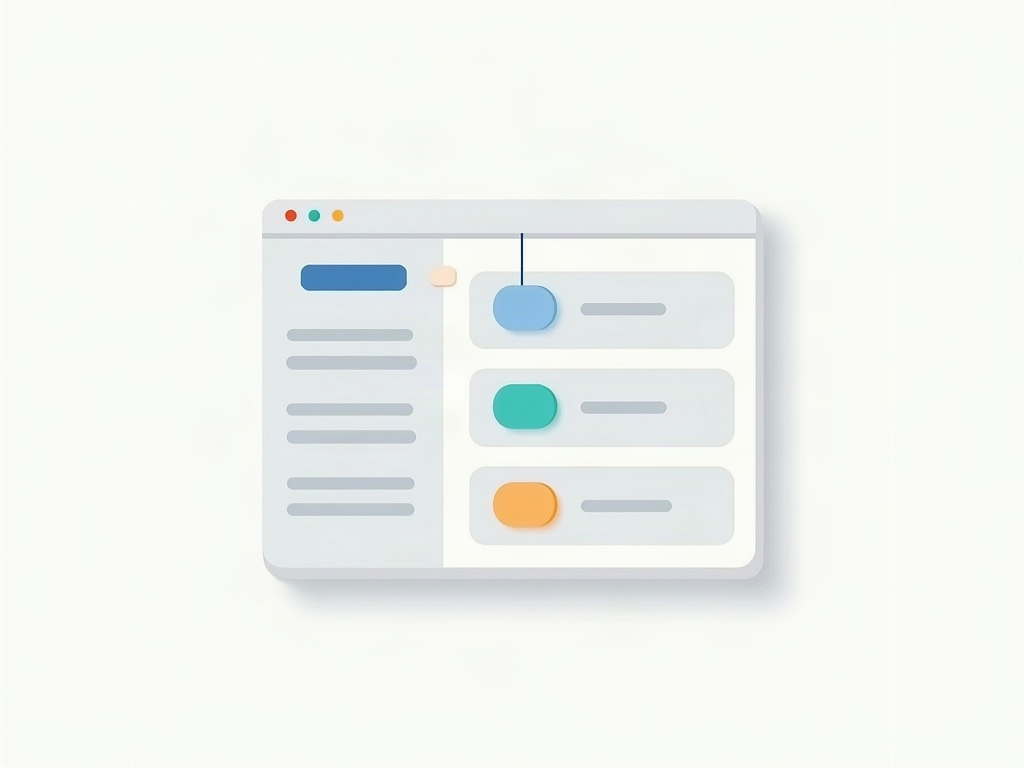
You will feel the urge to add columns for review, blocked, waiting, and on hold. Note that urge and ignore it for now. Once the board is live and you can see where cards actually pile up, you will know exactly which column to add and why. If you want a framework for that decision later, it is worth thinking deliberately about how many columns your kanban board actually needs rather than adding them by reflex.
Migrate real work, not your whole history
Here is where people drown: they try to transfer every sticky note, every spreadsheet row, and every half-remembered promise from the last six months onto the new board on day one. Do not. Migrate only the work that is genuinely live right now, plus whatever is realistically coming up in the next week or two.
Take your sticky notes or your spreadsheet, and for each item ask one question: is anyone actually going to do this soon? If yes, it becomes a card. If no, it goes into a backlog list you can deal with later, or honestly, it goes in the bin. A migration is a rare and precious chance to throw out the work that was never going to happen. Keep each card small and concrete enough that its owner knows what “done” means; if a note really represents a whole project, break it into a few board-sized tasks instead of one vague monster card.
Get the team to actually use it
A board only works if it is the single source of truth, and that is a people problem far more than a tooling one. The fastest way to kill adoption is to run the new board and the old sticky notes in parallel “just in case.” Two systems means nobody trusts either one, and the team defaults to whichever is closest. Pick a date, move the live work over, and take the whiteboard down or archive the spreadsheet the same day.

Then make one rule everyone agrees to out loud: if it is not on the board, it is not happening. When a teammate asks you to do something in the hallway or over chat, your answer is a friendly “put it on the board.” It feels pedantic for about three days, and then it becomes the thing that stops work from vanishing into someone’s memory. Keep the board open on a shared screen or a pinned browser tab so glancing at it costs nobody anything.
Protect the new habit for two weeks
The move is not finished when the cards are on the board; it is finished when updating the board is automatic. New habits are fragile, and a kanban board that drifts out of date is worse than useless because people stop believing it. The way through the fragile stretch is a short, regular review.
For the first two weeks, spend ten minutes at the same time each day looking at the board together, moving cards to where they truly are, and clearing anything stuck. Once the daily rhythm feels natural, many small teams settle into a lighter cadence, like a weekly reset on a Friday to tidy the board and line up the week ahead. The point is not the meeting; it is that the board stays honest, because an honest board is the only kind anyone will use.
What to leave for later
Once your three-column board has been running for a couple of weeks, you will naturally start wanting more: a way to cap how much is in progress so the team stops starting everything and finishing nothing, a place to park ideas that are not ready yet, maybe labels to tell different kinds of work apart. That is exactly the right order. Let the board earn its complexity. When you are ready, capping work in progress is usually the highest-value next step, because work-in-progress limits are what make a board genuinely change how a team works rather than just displaying its chaos more neatly.
But none of that is today’s job. Today’s job is smaller and far more valuable: get your real, current work out of the sticky notes and the spreadsheet and onto one board your whole team can see. Three columns, the work that is actually live, one rule that it all lives on the board, and ten minutes a day to keep it true. Do that this afternoon, and by next week you will wonder how you ever kept it all in your head.
Sources & further reading: