Picture two teams. The first is flat-out all day — messages flying, calendars solid, everyone looking heroically busy. The second works at a steadier clip, takes real lunch breaks, and somehow never seems to be on fire. Now ask the only question that matters: which one actually ships more over a year? The uncomfortable answer, again and again, is the second one. Busyness feels like productivity, but it’s often just motion. A pace you can only hold for a sprint isn’t a pace at all — it’s a countdown to mistakes, resignations, and work that limps across the line late. The good news is that a sustainable pace isn’t a vibe or a wellness poster. It’s a system, and your board is where you can actually see it.

What an unsustainable pace actually looks like
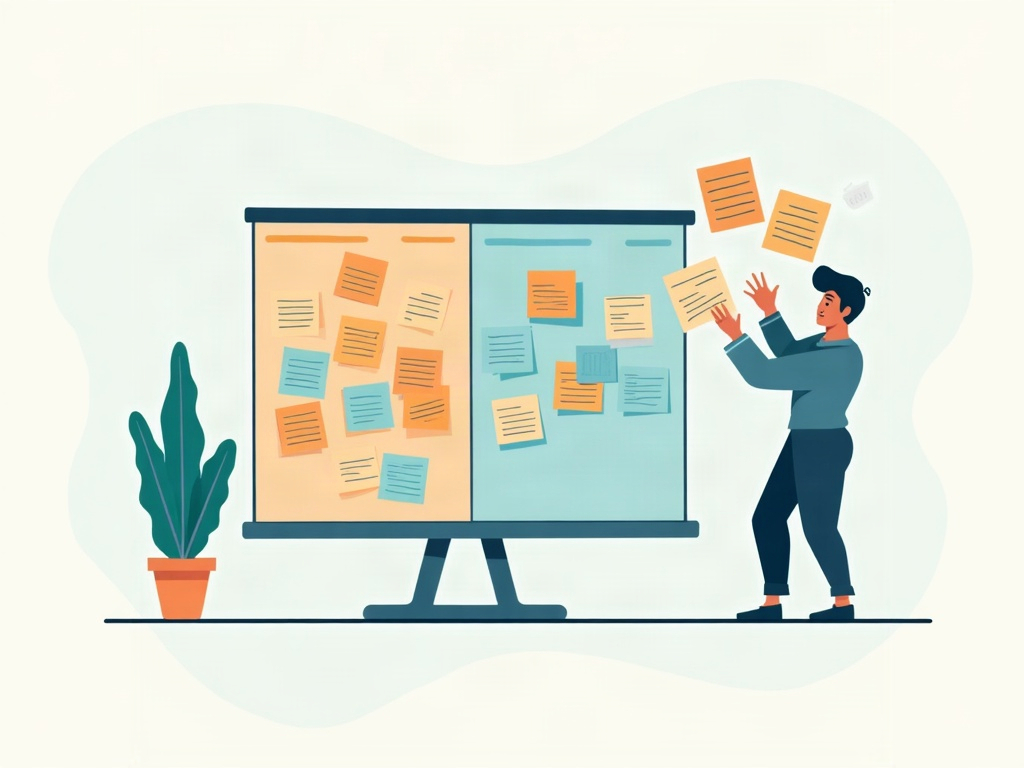
Burnout rarely arrives with a dramatic announcement. It creeps in through small, normalized signals — the kind you stop noticing precisely because they’re everywhere. The tell-tale signs usually show up as a pattern: work-in-progress keeps climbing while the Done column barely moves, “quick questions” constantly interrupt focused work, people apologize for taking a day off, and every week ends with a pile of things that were almost finished. Individually, each of these looks like a bad week. Together, they’re a system running hotter than it can sustain. The first skill of a good leader isn’t pushing harder — it’s learning to read these signals before someone quietly updates their résumé.
Why more hours quietly reduces output
It seems obvious that more hours should mean more done. In knowledge work, it rarely does. When a team is overloaded, people cope by juggling — nudging five things forward an inch each instead of driving one to completion. Every switch between tasks carries a hidden reload cost: remembering where you were, re-reading the thread, rebuilding context. We’ve written before about the real cost of context-switching, and it’s brutal — a team can feel maxed out while its actual finished output quietly shrinks. Tired people also make more errors, and errors generate rework, which generates more hours. That’s the trap: pile on more time, get less reliable output, then conclude you need even more time. Sustainability breaks the loop by protecting finished work, not logged hours.
WIP limits: your pace guardrail
If you take one concrete step from this article, make it this one. A work-in-progress limit caps how many cards are allowed in your “Doing” column at once. It sounds almost too simple, but it’s the single most powerful pace guardrail you have. A WIP limit forces a healthy question whenever something new lands: not “can we squeeze this in too?” but “what are we going to finish to make room?” It converts good intentions about not overloading people into an actual rule the board enforces for you. When the limit is full, the limit is full — new work waits in the backlog where it belongs, visible but not yet draining anyone’s attention. That’s a sustainable pace made mechanical.
Build slack into the system on purpose
Here’s the counterintuitive part most overloaded teams miss: a system running at 100% capacity has zero ability to absorb surprise. And surprises — the sick day, the urgent client fire, the task that turns out to be three tasks — are not rare events. They’re the normal texture of real work. A road planned for exactly its average traffic jams the first time anything unusual happens; a little spare capacity keeps everything flowing. So plan to run at perhaps 80%, not 100%, and treat that gap as deliberate slack rather than laziness. That breathing room is exactly what lets you handle genuinely urgent interruptions without blowing up everything else on the board. Slack isn’t the absence of a plan. It’s the part of the plan that keeps the rest of it standing.
Plan around real capacity, not wishful capacity
A pace only stays sustainable if it’s built on the team you actually have this week — not an imaginary one where nobody has a dentist appointment, a vacation, or a standing meeting that eats a morning. Most overcommitment starts as simple arithmetic done with fantasy numbers. Before you commit to what a week will hold, look at who is genuinely available and for how long, the way you would when planning your board around time off and real capacity. Subtract the meetings, the recurring commitments, the person who’s out Thursday. What’s left is your true capacity, and it’s almost always smaller than the optimistic version in your head. Planning against the honest number isn’t pessimism — it’s the difference between a plan that holds and one that collapses by Wednesday.
Measure finished work, not hours logged
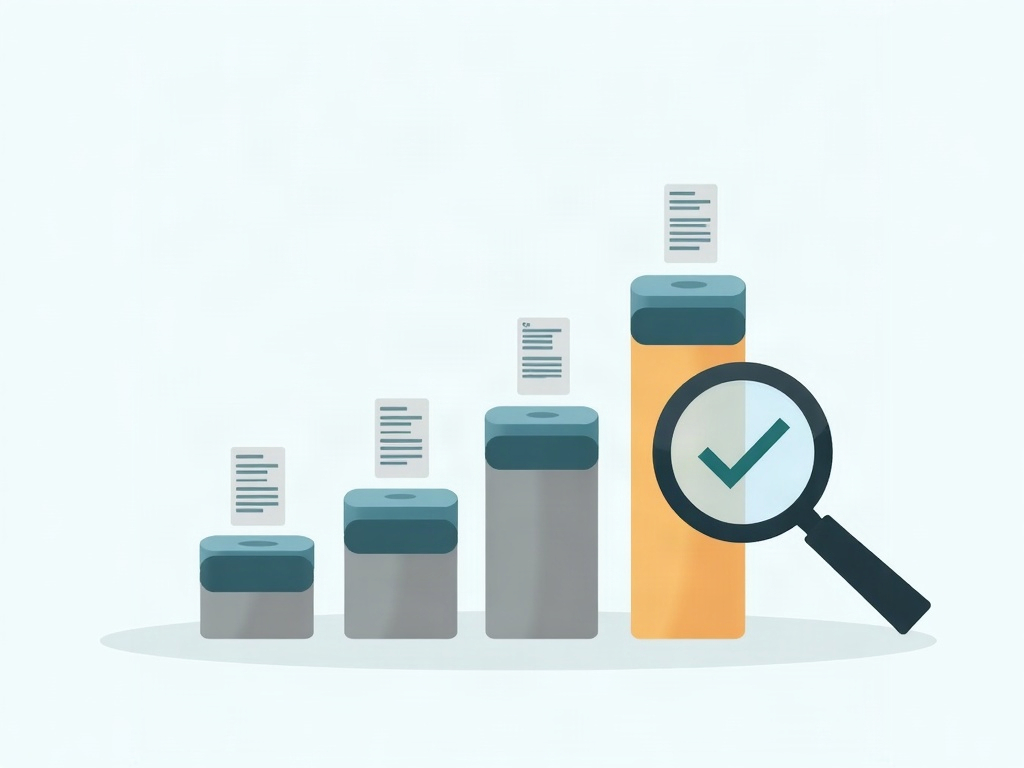
You manage what you measure, so be careful what you choose. If you track hours, busyness, or how full the calendar looks, you’ll optimize for exactly those things — and none of them is the goal. The healthier metric is simple: how many cards actually reached Done this week? Watching your weekly throughput tells you something hours never can — whether the pace is producing results or just producing fatigue. A steady, predictable line of finished work week after week is the real signature of sustainability. Wild spikes and crashes, by contrast, usually mean the team is lurching between heroics and recovery. Steady beats spiky almost every time, because steady is the only thing you can plan around and the only thing people can keep doing.
The takeaway
A sustainable pace isn’t about working less — it’s about working at a speed your team can hold without breaking, so the output keeps coming long after the heroics would have burned out. The signals are all right there on the board if you’re willing to read them: a swollen Doing column, a thin Done column, a plan built on capacity nobody actually has. Cap your work in progress, leave deliberate slack for the surprises you know are coming, plan against honest numbers, and measure what finishes rather than how busy everyone looks. Do that, and “sustainable” stops being a nice word and becomes a rhythm you can see. If you want a place to make that pace visible, a simple kanban board is the easiest way to turn it from a good intention into something your whole team can keep.