You’ve got a plan. This morning you looked at your board, picked the two things that mattered, and settled into the first one. Then the phone rings, or a message lands with the word “quick” in it, and none of that matters anymore. A client needs something by end of day. Your boss has a fire. Whatever you were calmly doing is now officially on hold, and so is the tidy little plan you built an hour ago.
This is the part of real work that no productivity system likes to admit: interruptions are not the exception. For most small teams and busy owners, they are the job. The question is never “how do I stop urgent work from showing up?” It’s “how do I absorb it without my whole day — and my whole board — descending into chaos?”
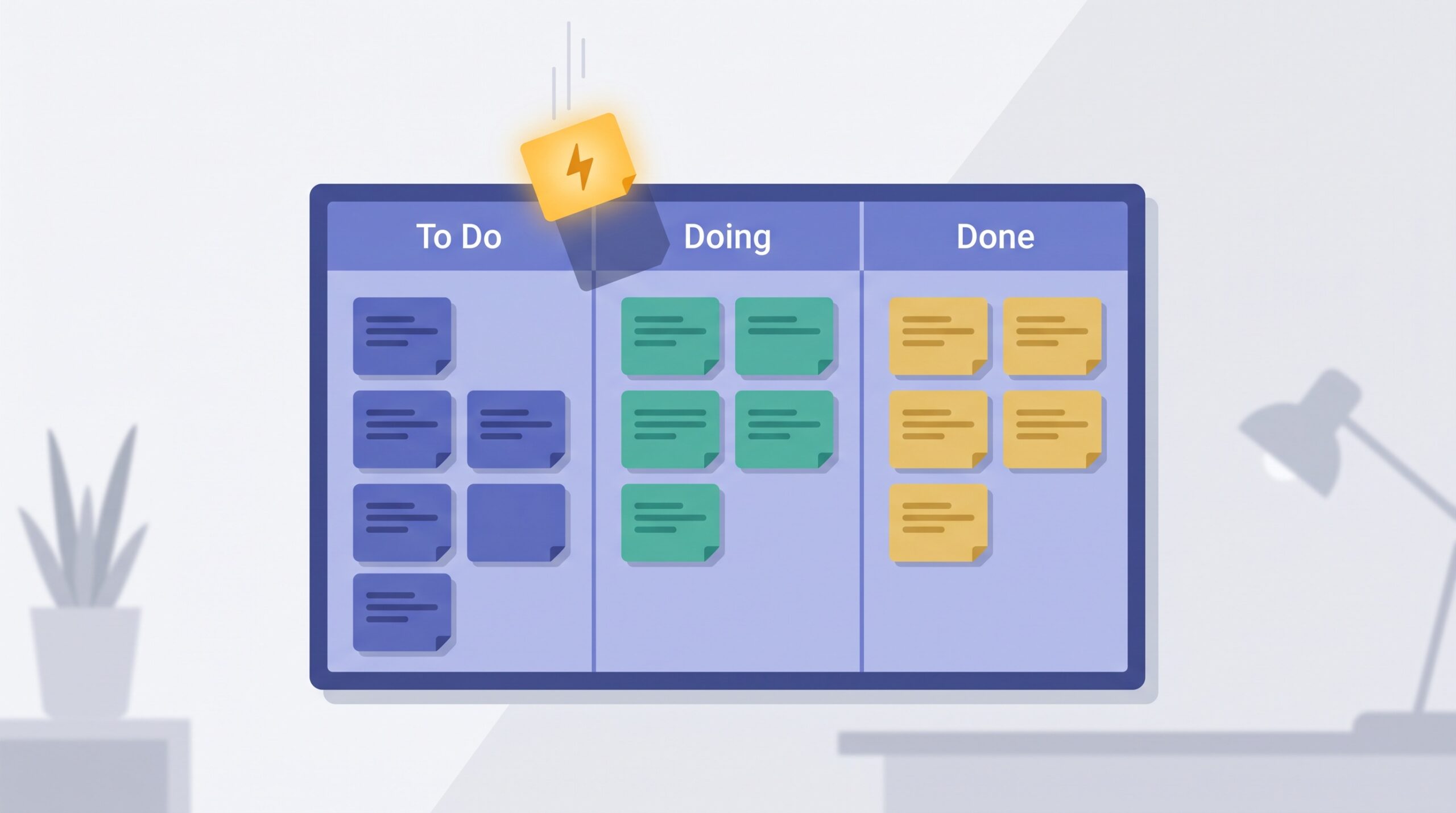
The Real Cost Isn’t the Task. It’s the Scramble.
Here’s the thing people get wrong about interruptions. The genuinely urgent task usually isn’t the problem — most emergencies are small. The damage comes from the scramble around it: the half-finished work you abandoned mid-thought, the three other things you touched “while you were at it,” the twenty minutes it takes to remember where you were when the fire’s out.
One urgent request, handled cleanly, costs you one task’s worth of time. The same request handled in a panic costs you the whole afternoon, because it knocks every other card loose. So the goal isn’t to work faster when things get hot. It’s to have a calm, boring, repeatable way to take the hit — one you can run on autopilot precisely because you’re stressed.
Before You React, Ask One Question
When something lands with “urgent” attached, resist the reflex to just start. Spend ten seconds asking: is this urgent, or is it just loud? Plenty of requests arrive wrapped in urgency that evaporates the moment you ask “does this truly need to happen today, or does it just feel that way to the person asking?”
A surprising number of “emergencies” are really someone offloading their own anxiety. A genuine emergency has a real deadline and a real consequence for missing it. A loud request just has volume. Learning to tell them apart — kindly, with a quick clarifying question rather than a flat no — is the single highest-leverage interruption skill there is. If it’s loud but not urgent, it goes on the board like everything else and gets prioritized against your real work. If it’s genuinely urgent, then you move — but deliberately.
Build a Lane for It Before You Need One
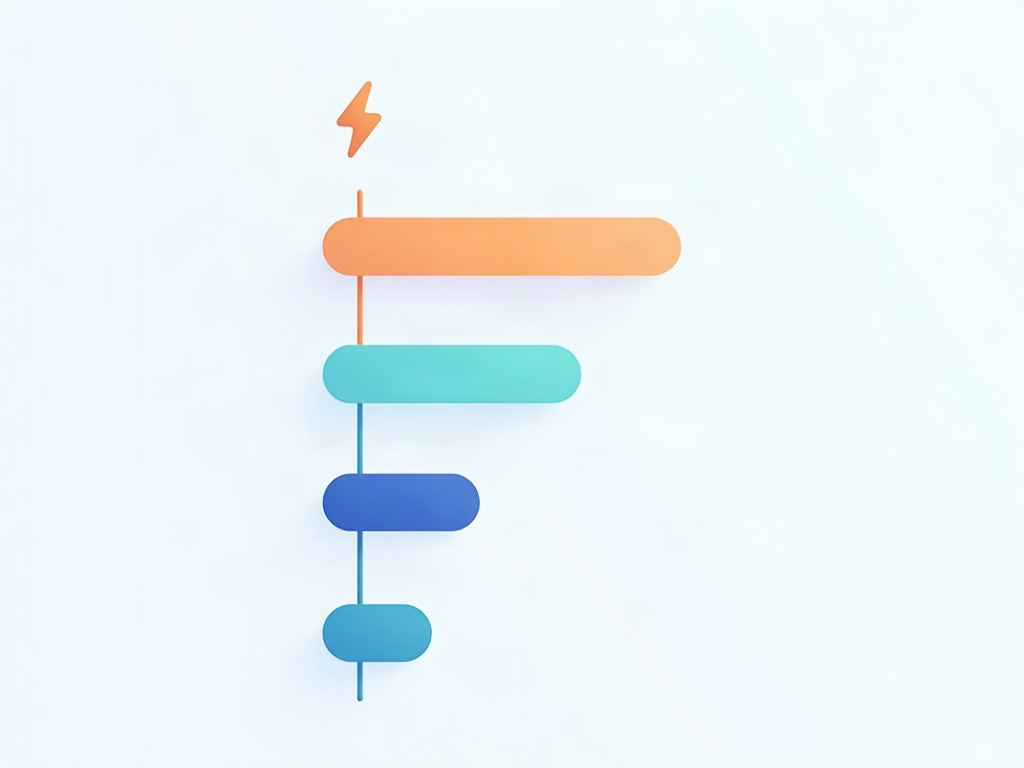
The teams that handle urgent work best don’t improvise each time. They’ve decided in advance how emergencies move through the board, so the decision is already made when the pressure hits. The simplest version is a narrow expedite lane across the top of your board: a fast track for the rare card that genuinely can’t wait its turn.
The lane has one unbreakable rule — it holds exactly one card at a time. That single constraint does all the work. It forces everyone, including you, to admit that two things can’t both be the emergency. If a second “urgent” item shows up while the lane is occupied, you’re forced to have the honest conversation: which one actually comes first? This is just a focused use of the same discipline behind capping work in progress — less at once means each thing actually finishes.
If urgent work is a regular feature of your world rather than a rare event, it’s worth going a step further and sorting your work into different classes of service — one path for true expedites, one for fixed-date commitments, one for everyday flow — so the board itself tells everyone how each kind of work is supposed to move.
Make the Trade-Off Visible
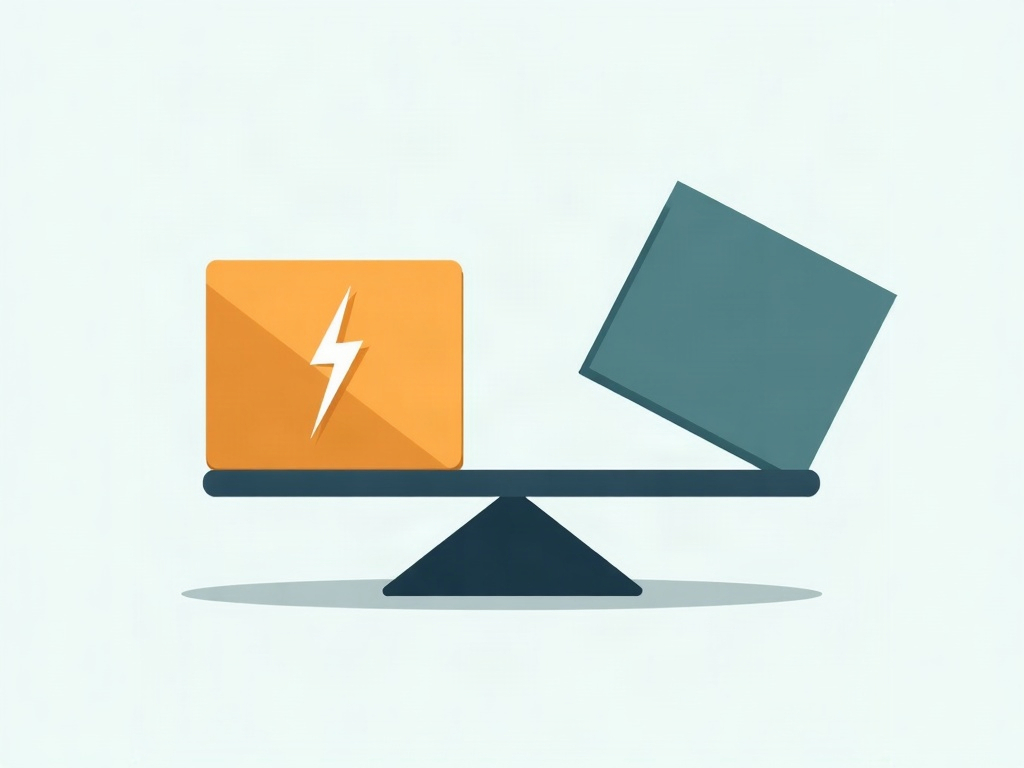
Here’s the move that separates calm teams from frantic ones: when you pull an urgent card in, you say out loud what it’s bumping. Not silently. Out loud, on the board.
Every yes to an emergency is a no to something else — there’s no magic extra hour hiding in your afternoon. The only question is whether that trade happens on purpose or by accident. So when you grab the urgent card, physically move the thing it’s displacing back to your To Do column, and tell whoever’s waiting on that work: “I’ve had to bump this to tomorrow because of an emergency — I’ll have it to you by noon.” It feels uncomfortable the first few times. It’s far less uncomfortable than silently blowing a deadline nobody knew was at risk.
This is also your best defense against the person who treats everything as urgent. When the cost of their emergency is visible — “okay, that means your other request slips a day, is that the call you want to make?” — the volume tends to come down fast. Writing these handling rules down as explicit board policies everyone can see takes the heat out of the moment, because you’re following an agreement, not making a judgment call under fire.
Finish It, Then Actually Go Back
Once the urgent card is in the lane, treat it like the priority it claimed to be: finish it, completely, before touching anything else. If you’ve got a team, this is the moment to swarm — everyone who can help pile onto the one urgent card and drive it to done, rather than each person peeling off to poke at it alone. The faster it’s truly finished, the faster normal life resumes.
And resist the temptation, while you’re already interrupted, to knock out a few other little things “since I’m here.” That’s how one interruption quietly becomes six. If a cluster of tiny jobs has genuinely piled up, handle them deliberately later by batching the five-minute tasks together — don’t let them ride in on the back of an emergency. When the urgent card hits Done, go straight back to the card you abandoned. Leaving a tiny note on it before you dropped it — “was about to send the draft” — makes that return almost instant.
The Takeaway
You can’t stop urgent work from arriving, and chasing a day with zero interruptions is a fantasy. What you can do is make your response boring and repeatable: ask whether it’s urgent or just loud, give true emergencies one narrow fast lane that holds a single card, say out loud what each emergency bumps, finish it completely, then go back to where you were.
Do that, and interruptions stop being the thing that detonates your day. They become just another kind of work your board already knows how to handle — and a simple kanban board is exactly where that calm starts.