If you’ve ever sat down to do one important thing and found yourself, twenty minutes later, deep in your inbox with no memory of how you got there — congratulations, your brain is working exactly as designed. The frustrating truth that neuroscientists keep pointing out is that human attention was never built for the long, uninterrupted stretches modern work demands. It was built to notice the new thing, the moving thing, the maybe-important thing. For a busy owner trying to get real work done, that’s not a character flaw to shame yourself over. It’s a design constraint to plan around.
The encouraging part: once you understand why focus is hard, you stop fighting your brain with willpower and start setting up your day so concentration is the path of least resistance. Here’s the short version of the science, and four practical habits that put it to work.

Why Your Brain Would Rather Be Distracted
Your attention evolved to protect you, and a creature that stayed laser-focused on one berry bush while a predator crept up behind it didn’t last long. So the brain is biased toward novelty — it gives you a little jolt of interest every time something new appears. A new email, a notification, a passing thought about that invoice: each one is a tiny shiny object your attention is primed to chase.
On top of that, focus is metabolically expensive. Holding your attention on one demanding task burns real energy, and the brain is a stingy spender. Given the choice between the hard, effortful work of concentrating and the easy, rewarding hit of checking your phone, the lazy-but-efficient brain reaches for the phone almost every time. You’re not weak. You’re running ancient software on a modern workload.
The Chemistry of Deep Focus
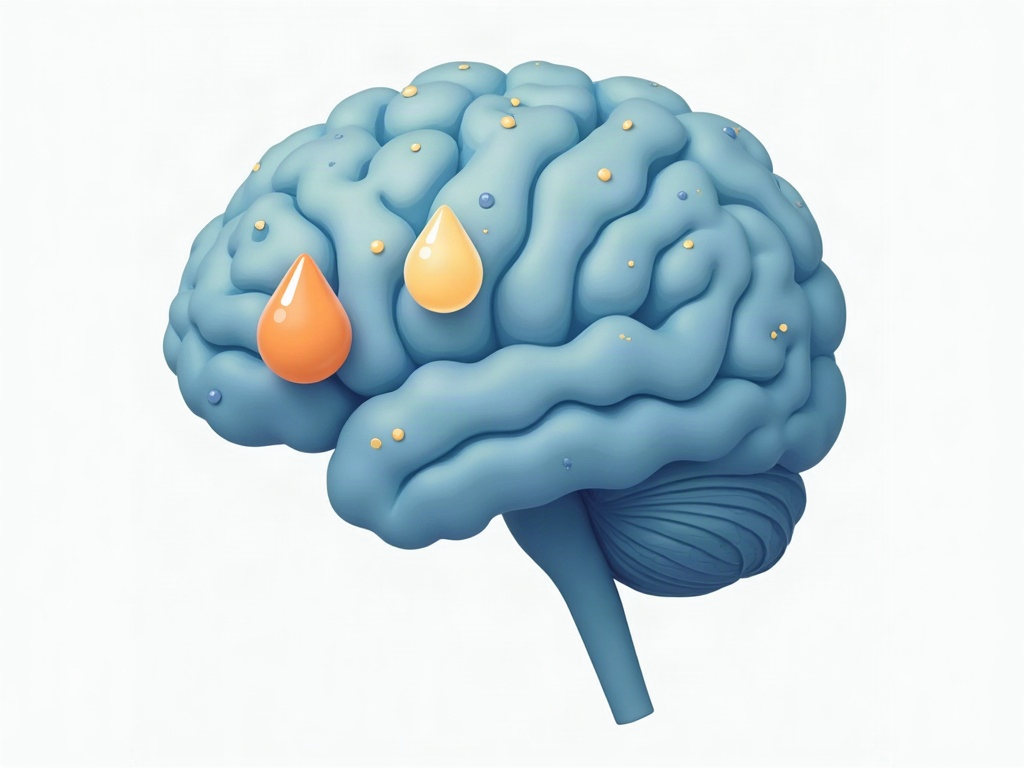
When you do drop into genuine, absorbed focus, it isn’t magic — it’s chemistry. Researchers point to a trio of neurochemicals that rise when you concentrate: dopamine, which drives motivation and the sense that something is worth pursuing; noradrenaline, which sharpens alertness; and acetylcholine, which helps your brain tune in to the task in front of it and filter out the rest. As the BBC Science Focus guide to the neuroscience of productivity explains, the state we call “focus” is really this cocktail doing its job.
You can’t inject motivation on command, but you can design your work to give the brain what it’s looking for: a clear reason this task matters (dopamine), a reason to feel mildly alert rather than bored (noradrenaline), and an environment free enough of competing signals that acetylcholine can do its filtering (fewer distractions). Every habit below is really just a way of handing your brain those three things.
Habit 1: Decide the Task Before You Need to Focus
The single most expensive moment in any workday is the one where you ask, “Okay… what should I do now?” That question hands your novelty-seeking brain an open door, and it will happily wander through it. Decision-making and focusing draw on the same limited reserves, so every time you choose mid-flow, you spend fuel you wanted for the actual work.
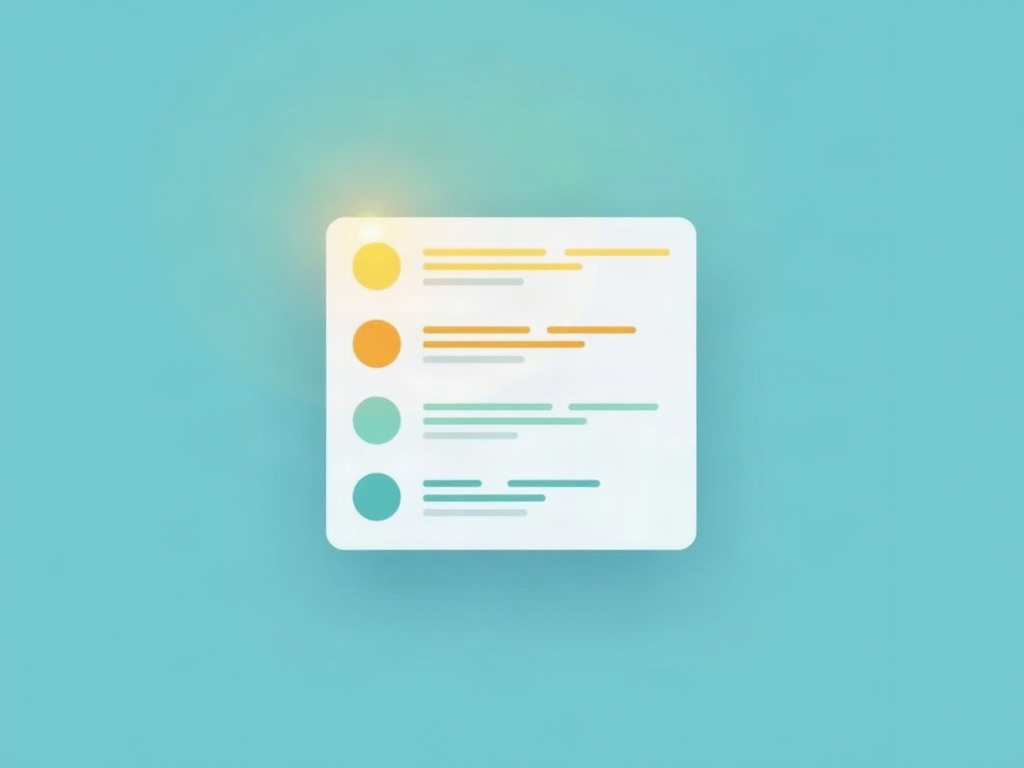
The fix is to decide before you sit down. Pick tomorrow’s most important job the evening before and make it the one card at the top of your board. When you start your day, there’s no deciding — there’s just the lit card and you. This is exactly the logic behind picking a single anchor task to build your day around: give your brain one obvious target and it stops shopping for alternatives.
Habit 2: Stop Switching — Batch Like With Like
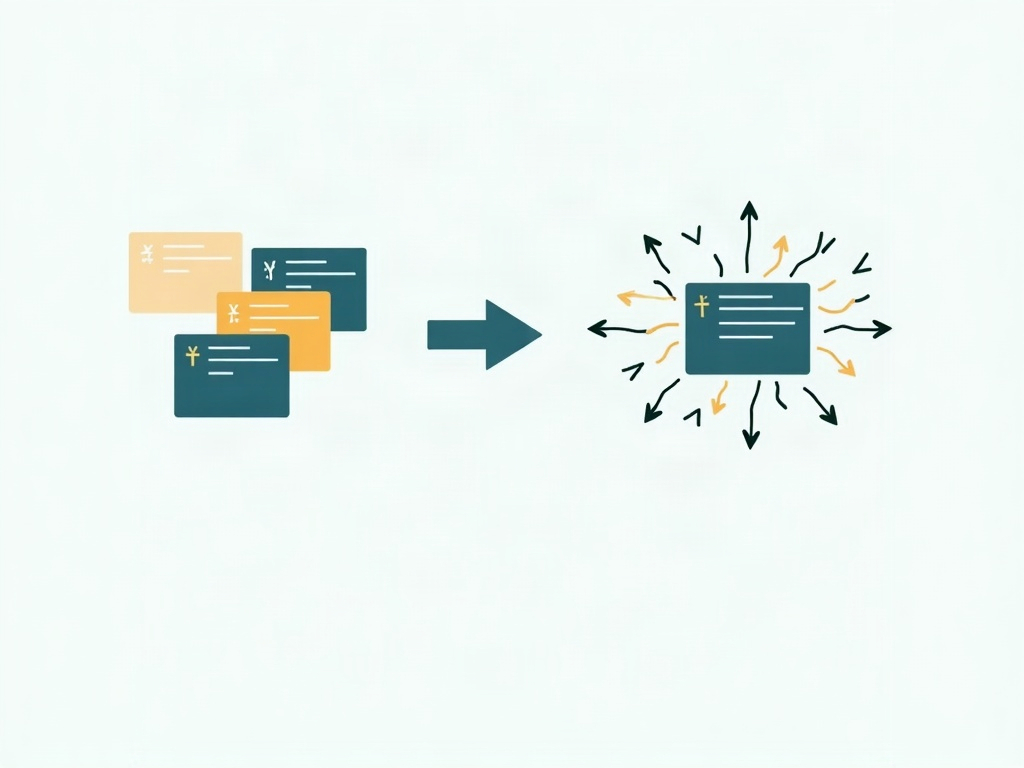
Every time you switch tasks, your brain pays a toll. The focus chemistry doesn’t instantly transfer from writing a proposal to answering a client call to reviewing a design; it has to spin down and spin back up, and research on “switch costs” shows a surprising amount of your capacity leaks out in those transitions. Feeling busy all day while finishing almost nothing is usually the signature of too much switching, not too little effort.
Group similar work so your brain can stay in one mode for a stretch. All your calls in one block, all your writing in another, all your admin in a third. On a board, this is as simple as batching similar cards together instead of jumping between types. You’re not working harder — you’re just refusing to keep paying the switch toll.
Habit 3: Make Progress Visible to Feed the Reward Loop
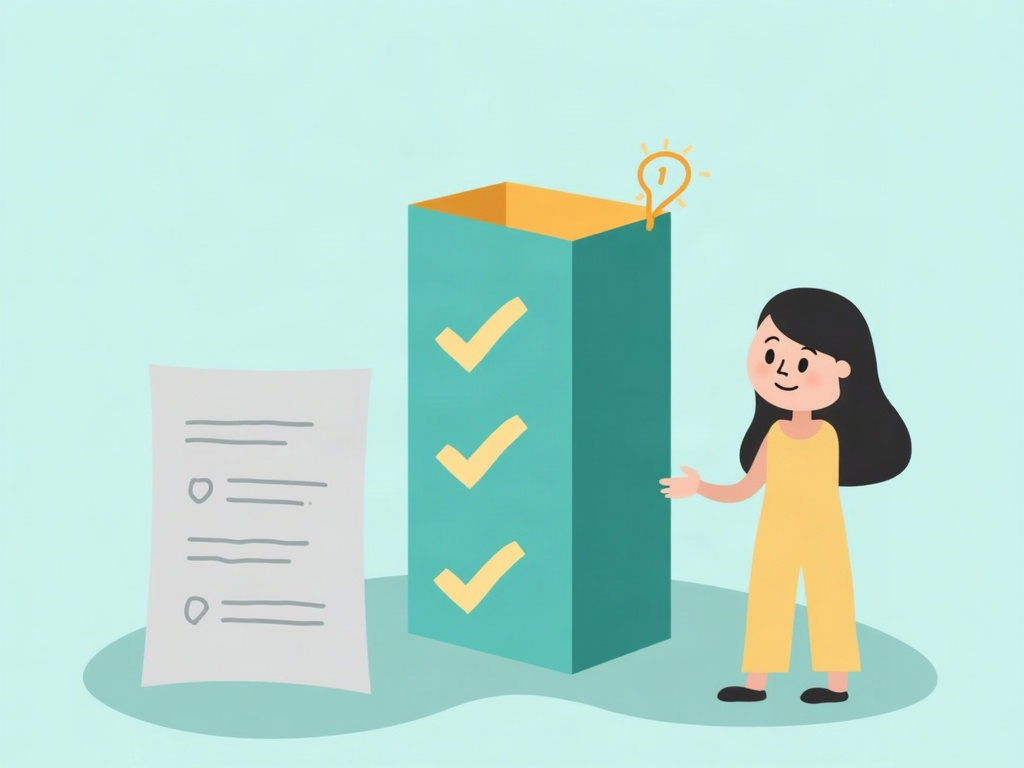
Remember that dopamine isn’t only about pleasure — it’s about anticipated reward and the feeling of making progress. This is the quiet genius of moving a card across a board: the physical act of dragging a task into “Done” gives you a small, real hit of accomplishment. Your brain registers the win, and the win makes the next task feel worth starting.
You can design for this deliberately. Break big, intimidating jobs into smaller cards so there are more finish lines to cross, and let yourself actually notice each one. A single card that reads “launch the website” offers one distant reward and a lot of dread. The same work split into six cards offers six moments of visible progress — six little nudges of momentum that keep your motivation topped up instead of running dry.
Habit 4: Protect the Window, Then Let the Brain Rest
Because focus is expensive, it’s also finite. Most people get a few genuinely sharp hours a day, not eight. Trying to force concentration past that point gives you the illusion of work and very little of the real thing. The move is to guard your best window fiercely — no meetings, no notifications, door closed — and spend it on the work that matters most, while you’re still fresh.
Then let your brain genuinely rest. Real breaks — a walk, a coffee away from the screen, a few minutes of staring out the window — let the focus chemistry recharge. Scrolling your phone on a “break” doesn’t count; you’re still feeding it the novelty hits that fragment attention. A short review ritual helps here too: a quick weekly look over your board keeps the next day’s choices made in advance, so your rested brain wakes up to clarity instead of chaos.
Work With the Brain You Have
None of this is about becoming a monk or white-knuckling your way to discipline. It’s about accepting that your brain is a novelty-seeking, energy-conserving, reward-driven organ that was never designed for the modern inbox — and then arranging your work so that arrangement does the heavy lifting instead of your willpower.
The takeaways: decide your most important task before you sit down so you never burn fuel choosing; batch similar work to avoid the switch toll; break big jobs into small cards so progress stays visible and rewarding; and protect your few sharp hours while giving your brain real rest to recharge. Do that, and focus stops feeling like a fight you keep losing. A simple board, set up to match how your attention actually works, quietly turns concentration into the easy choice — which is exactly where your busy brain was always going to head anyway.
Sources & further reading: