Most to-do lists lie to you. They look like a plan, but a list of twenty things is really a menu of twenty different ways to feel busy while the one job that actually matters slides to tomorrow — and then the day after. You end the day having ticked off eight small things and quietly avoided the big one. The anchor-task habit fixes this with a single, almost embarrassingly simple rule: before you do anything else, decide the one task that would make today a win, and treat everything else as secondary to getting it done. That one task is your anchor. Everything else is just weather.
Why one beats twenty
The problem with a long list isn’t the length — it’s that everything on it looks roughly equal. A flat list gives no signal about what matters, so your brain does the natural thing and reaches for the easiest, smallest items first. Answering three emails feels like progress. Renaming a folder feels like progress. Meanwhile the proposal that could win a five-figure client sits untouched because it’s big and a little scary. By the end of the week you’ve been genuinely busy and moved nothing important forward.
An anchor task cuts through that by forcing a decision you’d otherwise avoid: of all these things, which one actually deserves your best hour? Naming it out loud does something a list never can — it makes the trade-off visible. Once the anchor is chosen, the other nineteen items stop competing for the top spot. They’re still there, but they know their place. They wait.
How to pick the right anchor
The anchor is not simply the most urgent thing, and it’s definitely not the easiest. The best anchor is usually the task with the highest leverage — the one that, if finished, either unblocks other people, moves money, or removes a problem that’s been quietly costing you for weeks. A useful test: ask which single task, if it were the only thing you did today, would still make the day worthwhile. If the honest answer is “send the client the quote,” then chasing your inbox is not your anchor, no matter how loud it feels.

Be ruthless about picking exactly one. The temptation is to name three “anchors,” which is just an overloaded list wearing a nicer word. Three priorities is zero priorities. One anchor, chosen before the day’s noise starts, is the whole point — and if you genuinely finish it early, you’re free to pick a second. That’s a good problem to have, and a very different feeling from starting the day underwater.
Protect it before the day fills up
Choosing the anchor is half the work; defending it is the other half. An anchor with no protected time is just a wish. The reliable move is to give it the first genuinely focused block of your day — for most people that’s the morning, before the meetings and messages arrive and start spending your attention for you. Do the anchor first, and even a chaotic afternoon can’t take the win away from you. Do it “later,” and later never comes.

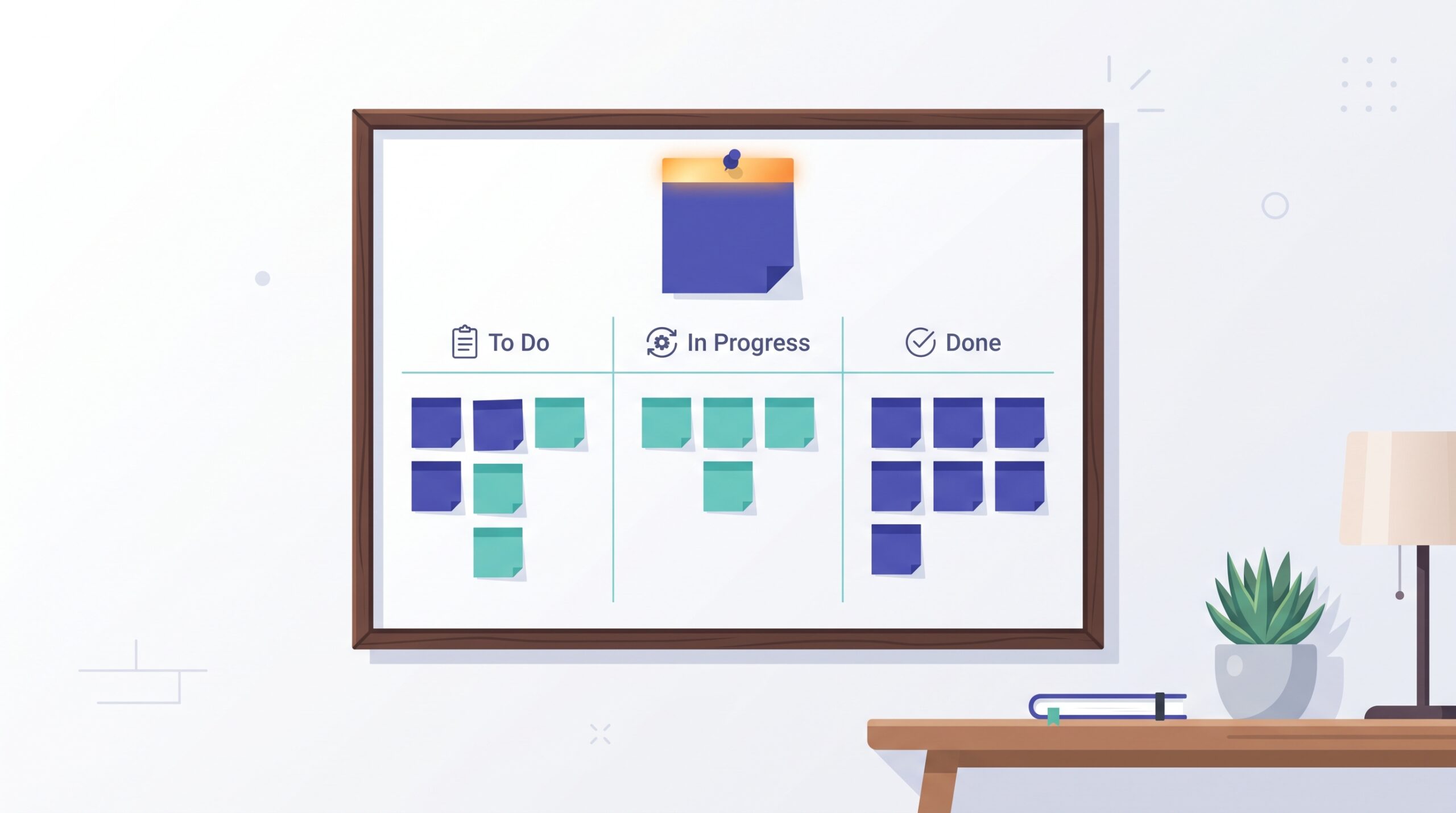
This is where a board earns its keep. On a kanban board, your anchor isn’t a line buried in a list — it’s a card you physically pull into the “doing” column and, ideally, mark so it stands out. That small act of moving one card and highlighting it turns an intention into a commitment you can see. When a new request lands mid-morning, you glance at the board, see the anchor still in progress, and have an easy, honest answer: not yet. The board holds the line so your willpower doesn’t have to.
The anchor task on a team
What works for one person scales surprisingly well to a small team, and it solves a problem every team lead knows: everyone is busy, but the important work still limps along. The fix is to make each person’s anchor visible. When every teammate names and highlights one keystone card at the start of the day, you get a one-glance picture of where the team’s real attention is going — and whether it’s pointed at what matters.
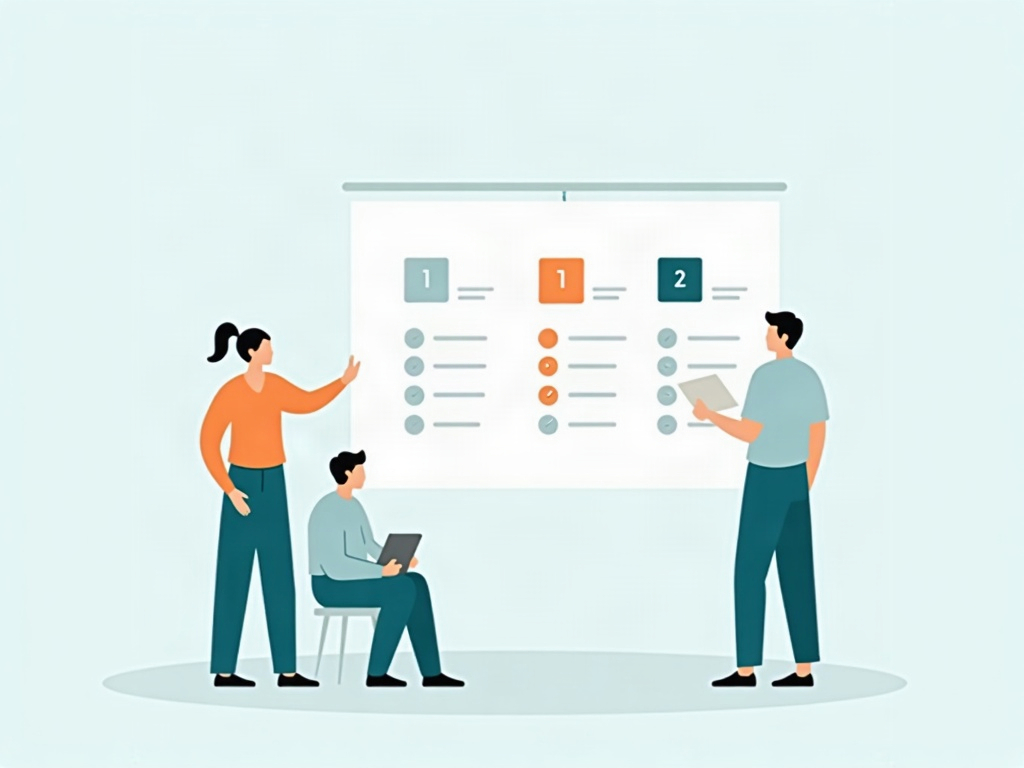
That visibility is quietly powerful for a manager. If three people’s anchors are all small maintenance jobs while the deadline that could sink the month has no one’s name on it, you can see the mismatch in seconds and correct it — not by piling on more tasks, but by helping someone choose a better anchor. It also protects your people: when someone’s anchor is clear and public, it’s far easier for them to say “I’m on my anchor right now” and defer the fire drill that isn’t really on fire. The board becomes a shared agreement about what today is for.
Make it a habit, not a one-off
The anchor task only works if it’s the first thing you do, every day, without negotiating. Build the ritual into something you already do — opening your board with your coffee, the first two minutes of a morning stand-up — so choosing the anchor happens before the day can choose for you. Keep it lightweight: one decision, one card, one protected block. You’re not trying to plan every hour; you’re trying to guarantee that the single most important thing gets done before everything else gets a vote.
Do that consistently and the change compounds. A week of anchors is five meaningful things finished instead of forty trivial ones half-started. That’s the quiet trade at the heart of it: stop trying to do everything, pick the one thing that counts, and put it at the top of the board where you — and your team — can’t lose sight of it.