Watch almost any small team’s board for a week and you will spot the same quiet pattern. A card gets pulled into progress, someone starts on it, and two days later it is stalled – not because the work is hard, but because nobody actually knew what “done” looked like, or a file was missing, or the client had never signed off on the thing being built. The work did not fail. It was never ready to begin.
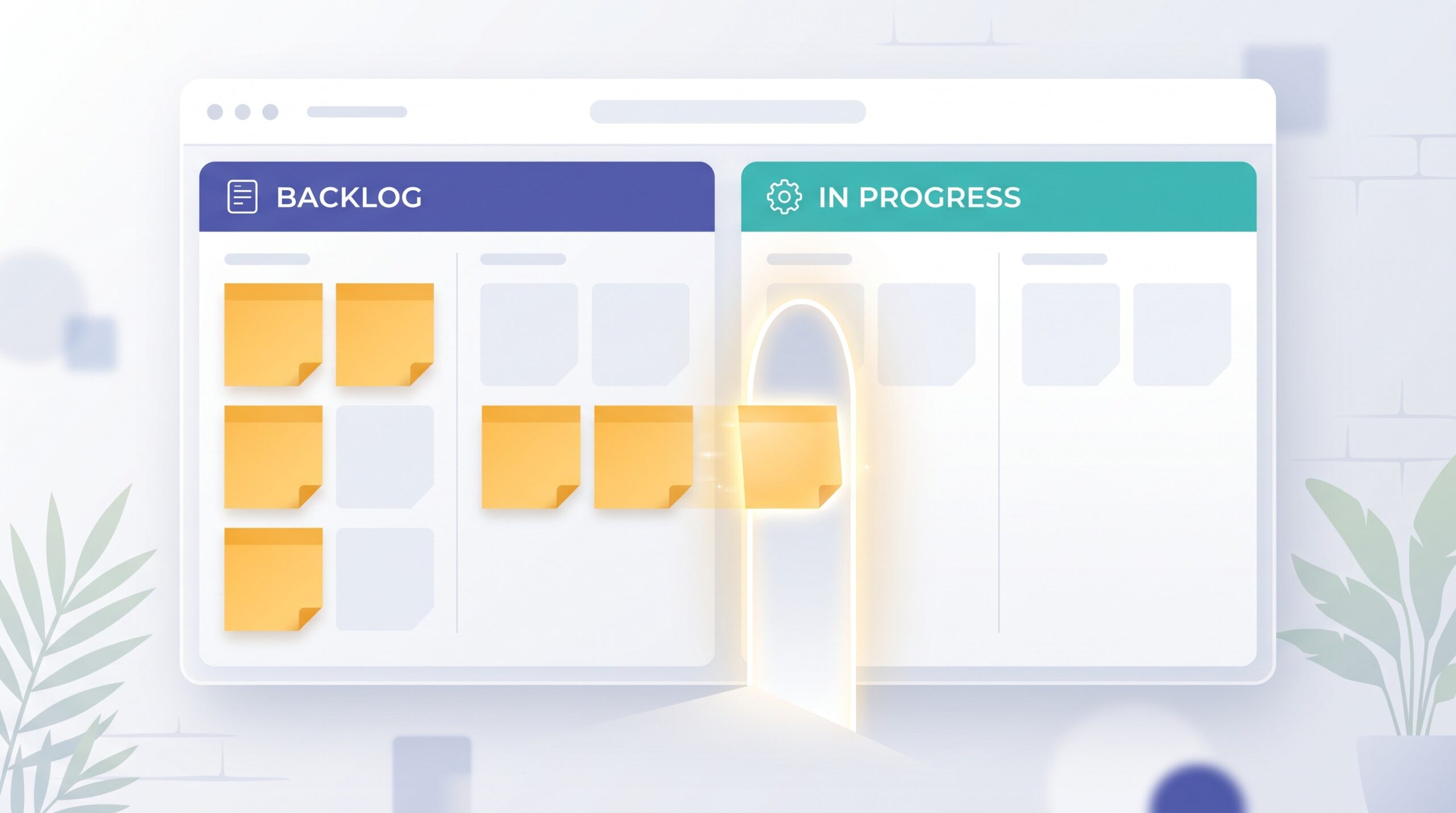
We talk a lot about finishing work cleanly, but far less about starting it cleanly. And most half-finished work is really half-baked work that got pulled too early. A Definition of Ready is the simple fix: a short, shared checklist that a card has to pass before anyone is allowed to start it. It is a gate at the front of your workflow, and it does something surprisingly powerful – it stops your team from starting things it cannot finish.
Ready is the mirror image of done
If your team already runs on a definition of done, you are halfway there – a Definition of Ready is its bookend. Done is the agreement about when work can leave a column. Ready is the agreement about when work can enter one. Together they wrap each stage of your board in clear entry and exit conditions, so nothing slides in prematurely and nothing slips out unfinished.
The distinction matters because they solve different problems. Definition of done stops work bouncing back for rework. Definition of Ready stops work from stalling in the first place. One protects the end of the flow; the other protects the beginning. Most teams adopt done first because unfinished work is loud and obvious. Unready work is quieter – it looks like progress right up until it jams.
What actually belongs on a readiness check
The trap here is turning Ready into a bureaucratic wish list that nothing can ever satisfy. Keep it short – three to five plain questions a card must answer yes to. For most small teams the list looks something like this: Is it clear what we are actually being asked to do? Do we know what a good result looks like? Is everything we need – files, access, approvals, answers – already in hand? Is it small enough to finish in a reasonable stretch rather than dragging for weeks? And is anyone or anything blocking it right now?
If a card can pass all of those, it is safe to pull. If it fails even one, it stays in the backlog until someone does the small prep to fix the gap. Notice that none of these are about doing the work – they are about removing the reasons the work would stall. That is the entire job of the gate: surface the missing pieces while they are cheap to fix, not after someone is three hours in.
Where the gate lives on your board
You do not necessarily need a new column, though many teams add a slim “Ready” column between the backlog and in-progress as a visible holding pen for prepared work. The point is less about geography and more about the rule: a card only crosses from backlog into active work once it clears the checklist. Some teams keep it lightweight with a simple tag or a checkbox on the card itself.

This pairs naturally with a pull-based way of working. In a pull system, people take the next available card when they have capacity – which only works if the next available card is genuinely workable. A Definition of Ready guarantees that whatever sits at the front of the queue is fair game. Without it, pull becomes a gamble: you grab the top card and discover halfway in that it was never startable, and now your momentum is gone.
The real cost of starting unready work
It is tempting to think starting early is harmless – at least something is moving. But an unready card that stalls is worse than a card that never started, for three reasons. It ties up a slot under your work-in-progress limit while producing nothing. It creates the illusion of progress on the board, so the problem hides. And picking it back up later carries a tax: whoever returns to it has to reload all the context they lost, which is rarely free.
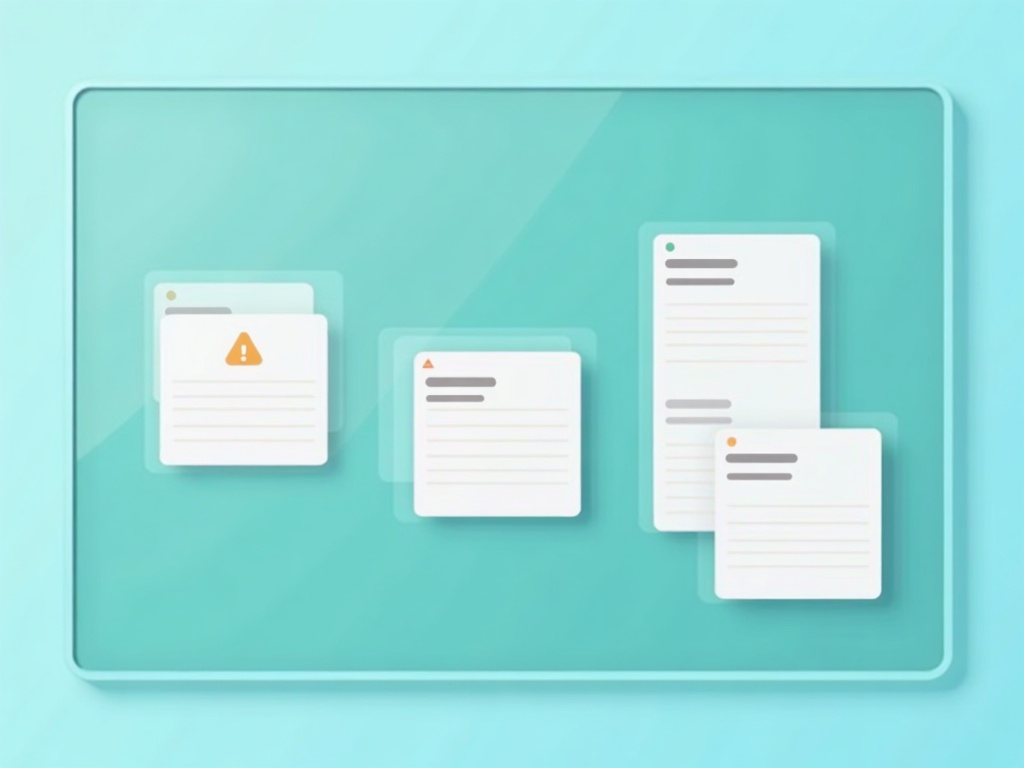
Multiply that across a busy board and you get a team that is constantly busy and rarely finishing – lots of cards in progress, little flowing to done. The fix is almost anticlimactic: refuse to start what is not ready. It feels like slowing down. It is actually the opposite. Every card you decline to start unready is a stall you will never have to untangle.
Prepare readiness where the backlog gets refilled
Readiness is not something you check at the moment of pulling – by then it is too late to fix gaps without stopping. It is prep work you do a little ahead of time, and the natural home for it is your replenishment routine, where you decide what moves up the queue next. That is the moment to ask the readiness questions of the next few candidates and assign the small tasks – get the sign-off, find the file, clarify the ask – that turn a vague item into a startable one.
This also keeps your backlog from becoming a graveyard. A backlog full of vague, unready wishes is dead weight. A backlog where the top handful of items have been groomed to Ready is a loaded spring – your team can always pull the next thing with confidence. You are not trying to make the whole backlog ready. Just the front of it, just far enough ahead to keep the board fed.
Start small, and let the list earn its keep
You do not need to design the perfect Definition of Ready before you begin. Start with a single question that reflects your team’s most common stall – for a lot of small teams that is simply “has the client actually approved this?” – and add a criterion only when a real stall shows you a gap the list would have caught. A Definition of Ready that grew out of your own painful stalls will fit your team far better than a generic template ever could.
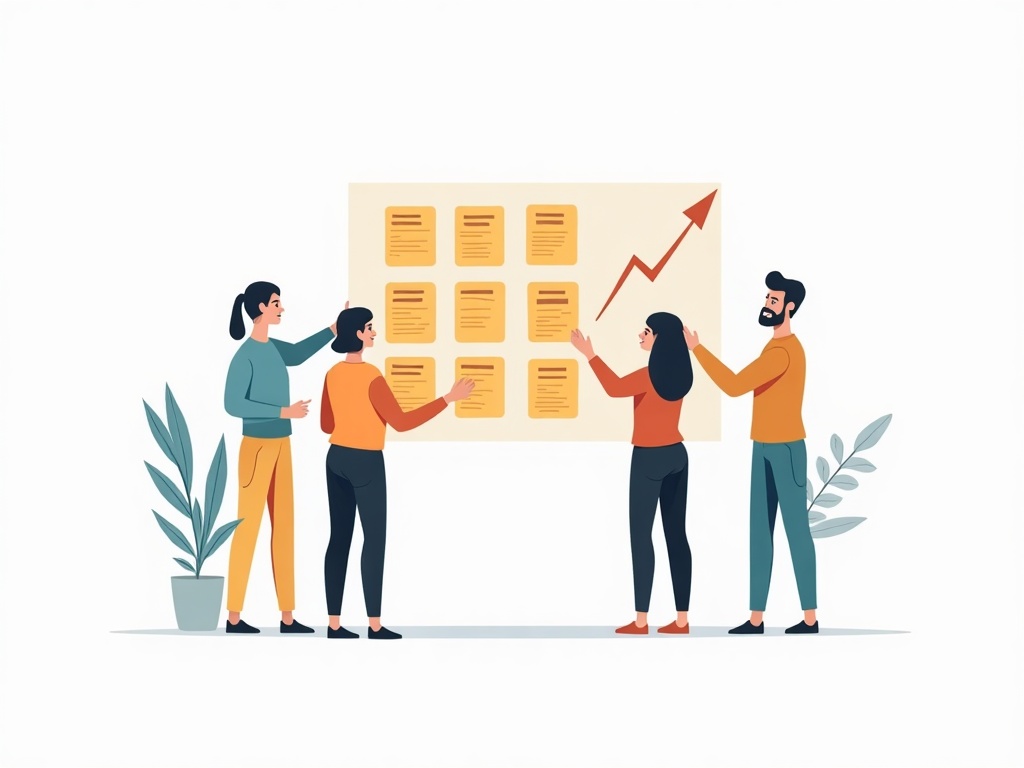
Done right, the gate becomes invisible. Cards arrive at the front of the queue already clear, already unblocked, already sized to finish – and work just flows. To put it to work this week: write down the three questions a card must answer before anyone starts it, pin them where your team refills the board, and hold the line even when it is tempting to start something early. Pair it with your definition of done so both ends of every column are covered, and let the list grow only when a real stall proves it should. The best boards are not the busiest ones – they are the ones where nothing gets started until it is truly ready to move. A simple kanban board makes that gate easy to see, and even easier to hold.