It is early September, which means the fourth quarter is close enough to plan for and far enough away to keep pretending you have time. That is exactly how Q4 goes sideways for most small teams. The big year-end intentions — ship the new service, clean up the client backlog, finally launch the thing — live in someone’s head or in a document nobody has opened since January. Then December arrives, everyone is busy, and the quarter ends with a shrug.
The fix is not more willpower or a fancier planning template. It is making the plan visible. When your Q4 goals sit on a board where everyone can see them move, they stop being a wish list and start being work. Here is how to build a Q4 planning board that actually carries you to the finish line.
Why a resolution needs a board, not a document
A goal written in a doc has no pulse. Nothing about it changes from one week to the next, so nobody looks at it, and quietly it becomes a lie you tell yourself. A goal on a board is different: it is broken into cards, and those cards move. You can see in three seconds whether the quarter is progressing or stalled.
That visibility does something planning documents never manage — it creates gentle, honest pressure. A card that has not moved in two weeks is impossible to ignore once it is staring at you.

Set up four simple columns
Resist the urge to build something elaborate. A Q4 planning board needs only four columns to start:
- This Quarter — every goal and initiative you are committing to before year-end. This is your shortlist, not your dream list.
- Up Next — the two or three things you have deliberately chosen to work on now. Keep this column short on purpose.
- In Progress — work actively underway. If this column is crowded, that is your warning sign, not a badge of honor.
- Done — finished, shipped, closed. This column is where momentum lives, so let it fill up visibly.
Add a Parking Lot off to the side for the good ideas that are real but not Q4. Writing them down somewhere trusted is how you stop them from hijacking this quarter.
Break big goals into cards you can finish
“Launch the new service” is not a card. It is a mountain, and mountains do not move. The single most important step in Q4 planning is chopping each goal into pieces small enough to finish in about a week: draft the pricing, write the sales page, set up the intake form, tell three existing clients.
Small cards give you two gifts. They make progress obvious, because something reaches Done nearly every week. And they expose the hidden work — the dependencies and half-formed steps you would otherwise discover in a panic in mid-December.

Prioritize honestly, then commit
Most Q4 plans fail because they are too ambitious, not too vague. If everything is a priority, nothing is, and your team ends the year having half-finished six things instead of shipping two. Look hard at your This Quarter column and be ruthless about what genuinely belongs there versus what is really a someday.
If you want a repeatable way to make those calls instead of arguing every time, our guide to prioritizing your kanban backlog walks through a simple system for deciding what earns a spot at the top. A Q4 board with three focused goals you actually finish beats one with ten you abandon.
Spread the work across all three months
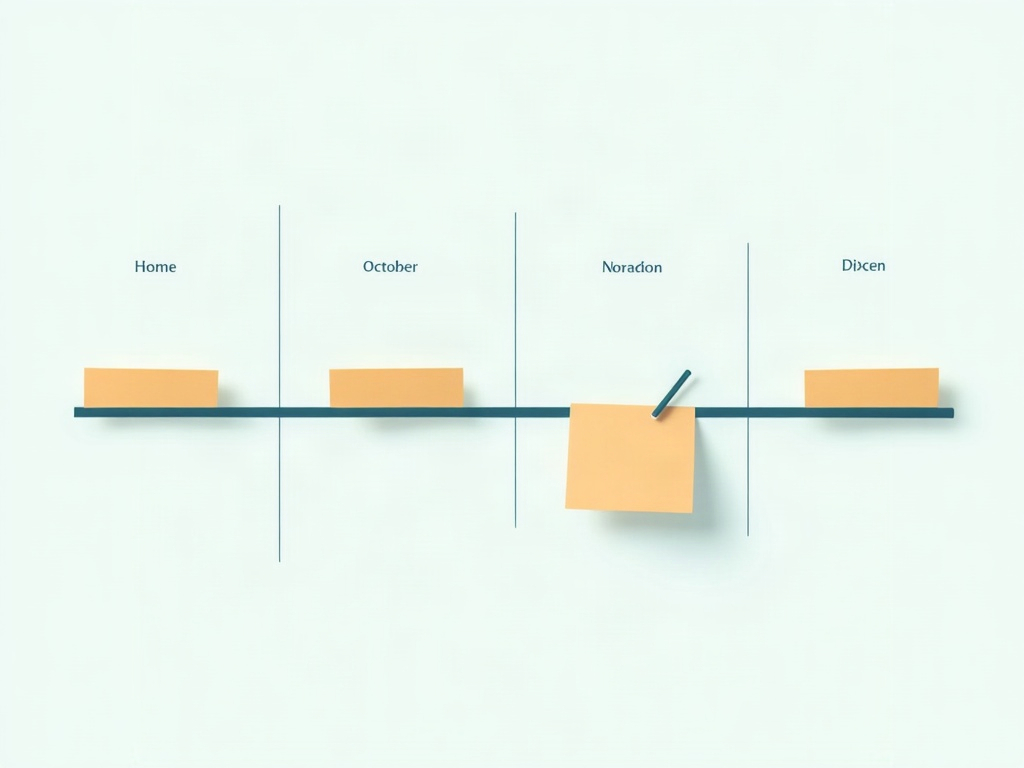
The classic Q4 mistake is treating October as a warm-up and cramming everything into a frantic December that also happens to contain holidays, closures, and half your team on vacation. Use the board to pull work forward. Ask of every big card: what is the earliest week this could realistically start?
Front-loading the quarter buys you slack for the surprises that always come, and it means your year-end sprint is a gentle jog rather than a dead run. A little discipline in October is what makes December feel calm.
Give the board a weekly heartbeat
A planning board that nobody looks at is just a document with extra steps. The habit that keeps it alive is a short, regular review — five to fifteen minutes to move cards, retire what is done, and pull the next item into Up Next. This is where a standing rhythm earns its keep; our weekly reset habit is a natural home for it.
During that review, watch one signal above the rest: are cards actually reaching Done, or just piling up in progress? Counting completed cards — your throughput — tells you whether the quarter is on track far more honestly than a status update ever will. Motion is not the same as finishing.

Protect the plan from the shiny and the urgent
Here is the part nobody warns you about: the biggest threat to your Q4 goals is not a lack of effort, it is the steady drip of new requests that feel urgent and quietly crowd out the important. Every mid-quarter “can you just” either bumps something off the board or has to wait in the Parking Lot.
Make that trade-off visible and deliberate. When a new ask appears, put it next to your This Quarter column and decide out loud what it displaces. Learning to protect your team’s capacity without being the bad guy is what turns a plan into a finished quarter. A board makes those conversations easy, because the trade-off is right there for everyone to see.

Start this week, while there is still runway
You do not need a perfect strategy offsite to plan a strong Q4. You need your real goals broken into cards, three focused priorities, and a weekly rhythm to keep them moving. Do that now, in September, and you hand your team a quarter that finishes instead of fizzles.
Take fifteen minutes today: list your year-end goals, cut them to the three that matter most, and put them on a board where the whole team can watch them move. A simple kanban board is all it takes to turn a hopeful year-end into a visible, finishable one.