Ask a busy team what’s slowing them down and you’ll rarely hear “not enough work.” The real ache is the opposite: too much accepted, too little finished, everyone underwater and somehow still behind. The cause is almost never laziness or bad tooling. It’s a hundred well-meaning yeses. Every time you agree to one more “quick” request, you’re quietly borrowing time from something already in motion — and that debt comes due as missed deadlines, half-finished work, and a team that feels frantic without shipping much. Protecting capacity isn’t about becoming the office grump who blocks everything. It’s about making the true cost of “yes” visible enough that the right decision becomes obvious to everyone, including the person asking.
Every Yes Is a Silent No
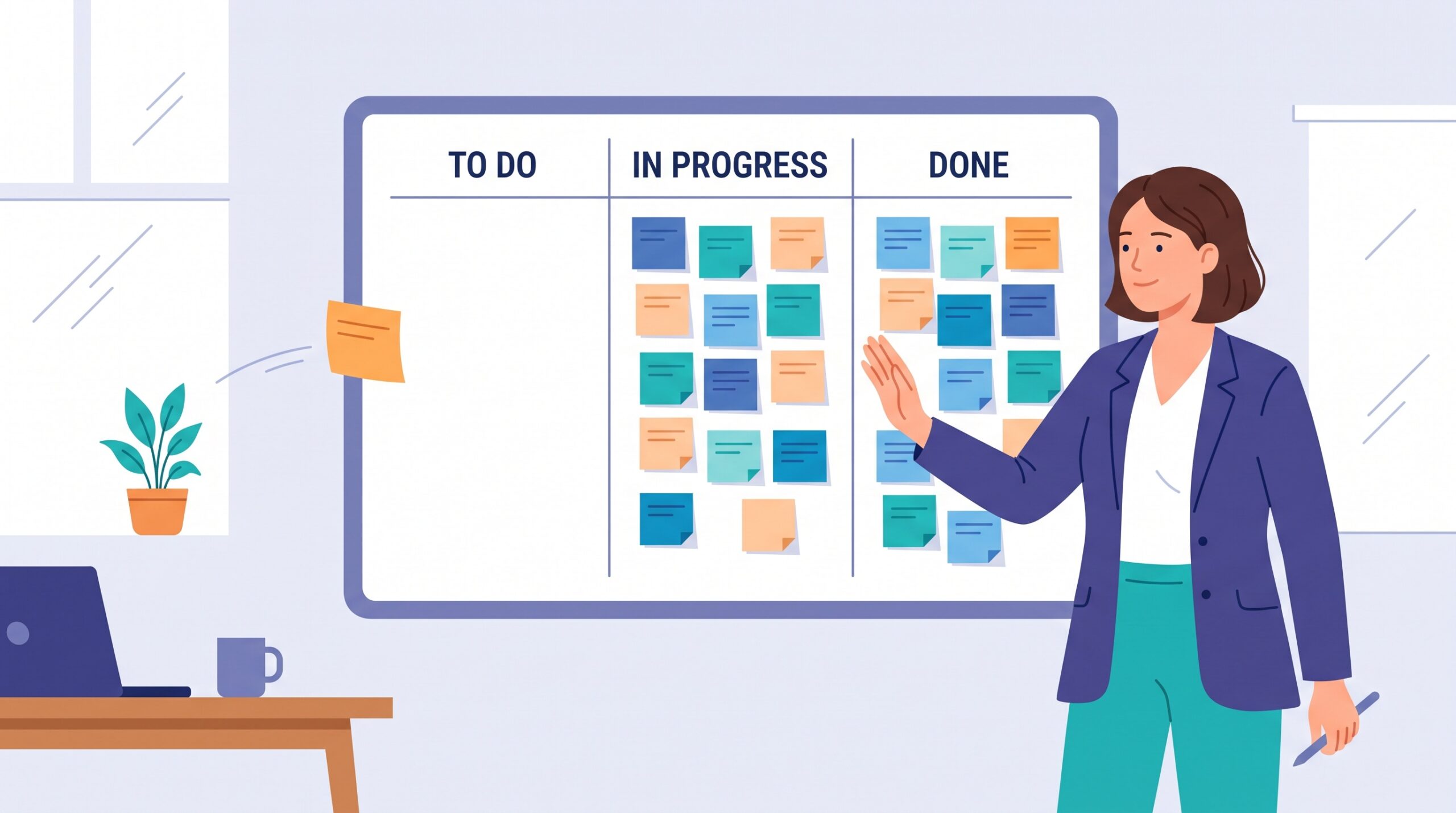
Here’s the uncomfortable arithmetic: your team’s capacity this week is fixed. There are only so many hours, so many hands, so much focus to go around. So when a new task lands and you say yes, you haven’t magically created more room — you’ve made a trade. Something already in progress just got slower, or something planned just got bumped. The trouble is that the trade is invisible. Nobody watches the thing that gets displaced; they only see the shiny new commitment, so the yes feels free. It isn’t. It never was.
Once you internalize that every yes is a silent no to something else, the goal shifts. You’re not trying to say no more often for its own sake. You’re trying to make sure that when you say yes, you know exactly what you’re saying no to — and that it’s a trade you’d actually choose out loud. Most overcommitted teams have simply never had to name the thing on the losing end of the bargain.
Make Capacity Visible Before You Argue About It
The reason “we’re at capacity” sounds like an excuse is that it’s usually invisible. It lives in someone’s stressed-out head, which is easy to wave away. The fix is to move capacity out of your head and onto the board, where it becomes a plain fact rather than a feeling. When the doing column already holds everything the team can reasonably carry, you don’t have to argue that there’s no room — you can point at it. The board makes your case so you don’t have to.
This is exactly why a work-in-progress cap is so powerful. When a column has a firm limit and it’s full, the rule isn’t “convince the boss” — it’s “nothing new starts until something finishes.” That single constraint turns capacity from an opinion into a visible ceiling everyone can see. If you haven’t set one yet, learning how to use WIP limits on your board is the highest-leverage move you can make, because it converts every capacity conversation from a personality clash into a glance at a full column.

Say Yes to the Request, No to Starting It Now
A flat “no” feels bad to give and worse to receive, which is why most people cave and take the work anyway. But you almost never need a flat no. What you need is a place to put the request that isn’t the active board. Capture it, acknowledge it, take it seriously — and park it in an intake or backlog column instead of shoving it into work that’s already underway. You’ve said yes to the idea and no to disrupting current flow, and those are very different messages to the person asking.
This is what a dedicated intake step is for. New requests land in a holding area, get looked at deliberately, and only get promoted into active work when there’s genuine room. A short, regular replenishment meeting is the natural moment to make those calls — deciding together what earns a spot next, rather than letting whoever asks most loudly jump the line. The request never gets lost, but it also never gets to bulldoze the work you already committed to.

Not All Yeses Are Equal
Protecting capacity doesn’t mean treating every incoming task identically. Some things genuinely are urgent and should cut the line — a production outage, a client emergency, a hard external deadline. The danger isn’t urgent work itself; it’s letting everything claim to be urgent until the word means nothing. The way out is to decide, in advance, what different kinds of work are allowed to do to your flow.
That’s the idea behind classes of service: you agree ahead of time that a true emergency can pre-empt standard work, that fixed-date work gets pulled early enough to land on time, and that everything else waits its turn in the ordered backlog. When the rules are set before the pressure hits, you’re not negotiating priority in the heat of the moment — you’re applying a policy everyone already agreed to. “This isn’t a class-one emergency, so it goes in the queue” is a far easier thing to say than an improvised judgment call under pressure.

Offer a When, Not Just a No
The single most useful phrase for protecting capacity isn’t “no” — it’s “yes, and here’s when.” People rarely need their request done this instant; they need to know it won’t vanish and roughly when it’ll happen. When your board shows a realistic queue, you can point at it and give an honest answer: “We can start this after the two items ahead of it, so likely next week.” That’s not a rejection. It’s a commitment with a real date attached, which is exactly what most anxious requesters are actually chasing.
This only works if the “when” is truthful. A board that reflects real capacity lets you forecast with a straight face; a board stuffed with a dozen half-done cards can promise nothing believable. Overloading the team doesn’t get more done — it just spreads everyone thin across too many things, which is the exact mechanism behind the context-switching tax that leaves teams busy but shipping little. Ironically, the disciplined “not yet” delivers work sooner than the reckless “sure, we’ll squeeze it in,” because finished work actually leaves the board.
The Takeaway
Protecting your team’s capacity has almost nothing to do with being difficult and everything to do with being honest. Start by admitting that every yes is a silent no to something already in motion. Put capacity on the board with a real work-in-progress cap so “we’re full” becomes a visible fact instead of a feeling. Give new requests a home in intake so you can say yes to the idea without disrupting active flow. Decide in advance which kinds of work are allowed to jump the queue. And when you have to hold something back, offer a truthful when instead of a bare no. Do that, and you stop being the person who blocks work — you become the person others trust to actually finish it.
